Panavia Tornado: Europe’s Ultimate Swing-Wing Multi-Role Platform
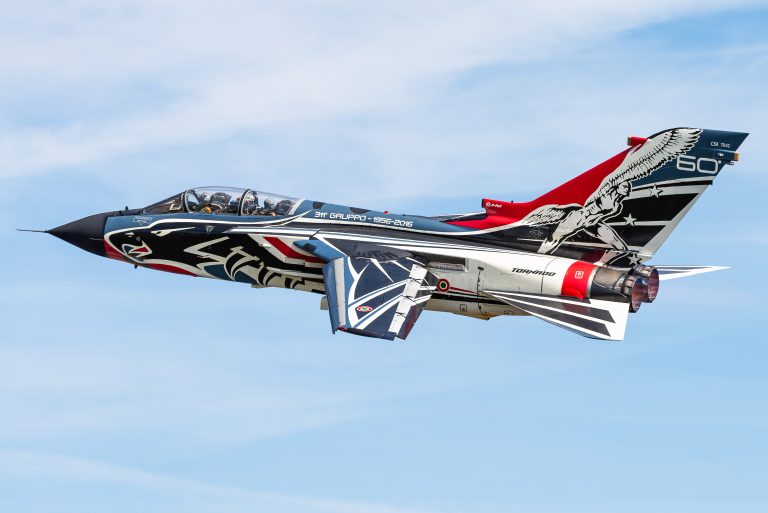
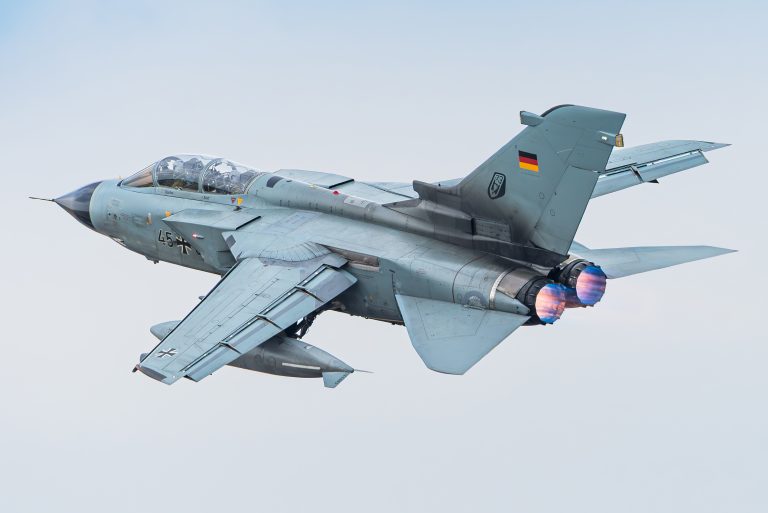
The Panavia Tornado is one of the most significant and enduring multi-role combat aircraft in European history, jointly developed by a powerful tri-national consortium involving the United Kingdom, West Germany, and Italy. This powerful twin-engine jet is most famous for its revolutionary variable-sweep (swing-wing) design, which allowed it to excel across diverse roles: delivering blistering low-altitude, high-speed penetration for deep strike missions (IDS), performing vital electronic combat and reconnaissance (ECR), and serving as a long-range air defence interceptor (ADV). The Tornado was the cornerstone of NATO air power throughout the final decades of the Cold War, designed specifically to defeat the Soviet threat across Europe.
The Tornado proved its exceptional durability and combat effectiveness in major operations, most notably during the 1991 Gulf War and subsequent actions in the Balkans and Libya, where the RAF Tornado GR4 showcased its precision-guided weapons capability. Though retired by the UK, the aircraft remains a vital asset for the German, Italian, and Saudi Air Forces, having consistently demonstrated its all-weather operational reliability and adaptability throughout its long service life. The Panavia Tornado leaves a defining legacy as a successful example of international aerospace collaboration and a crucial contributor to modern air combat history.