Modern Aerial Conflicts: From Korea to the Global Age
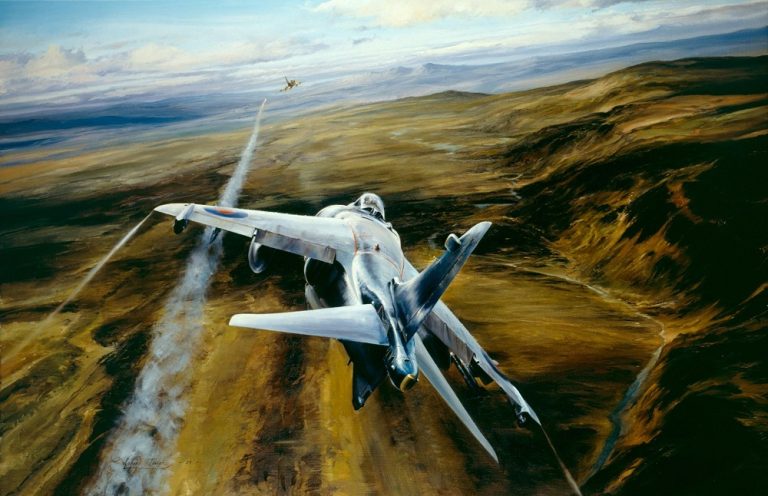
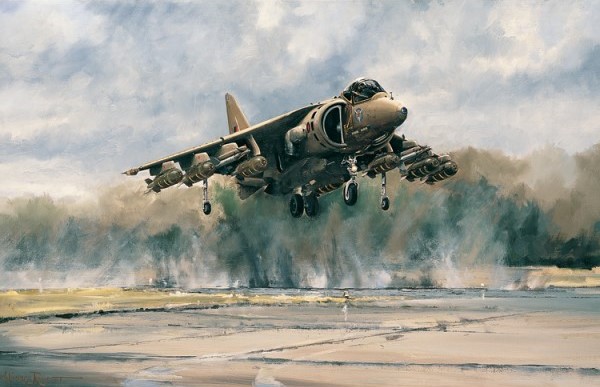
The Korean War (1950–1953) launched the jet age with the F-86 Sabre vs. MiG-15 combat, fundamentally reshaping aviation design. Subsequent conflicts, notably the Vietnam War, challenged early missile reliance, while the Falklands War (1982) proved the tactical superiority of innovation: the subsonic Sea Harrier achieved a 22-0 kill ratio using V/STOL agility and advanced missiles against supersonic jets. These wars established the progression from pure speed and gunfights to sophisticated, multi-role air combat.
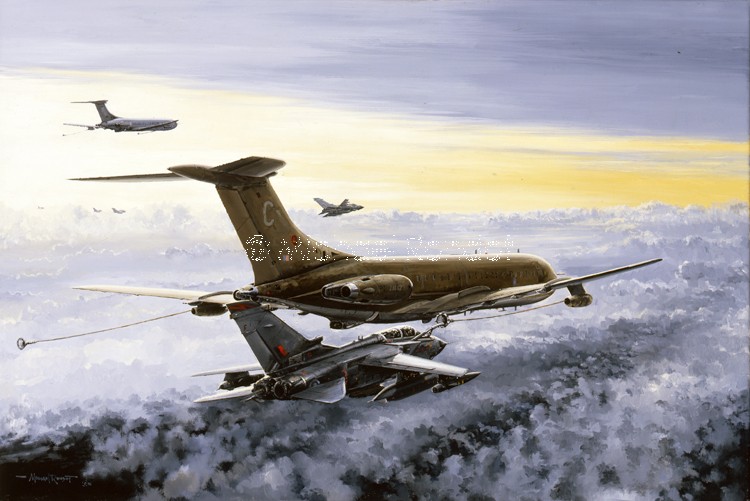
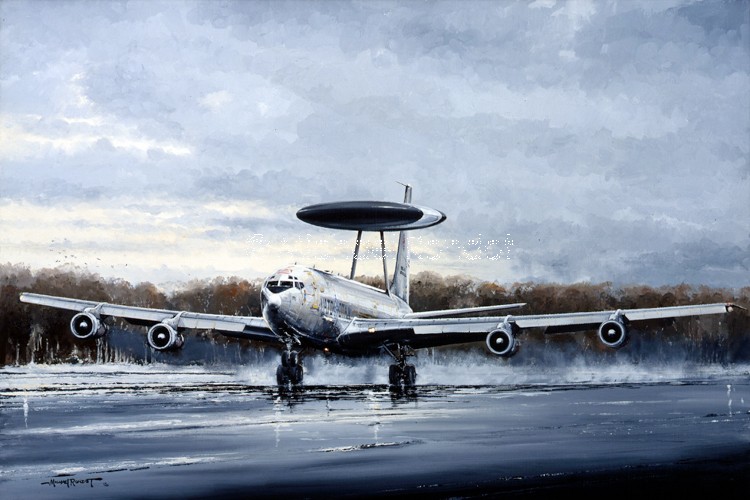
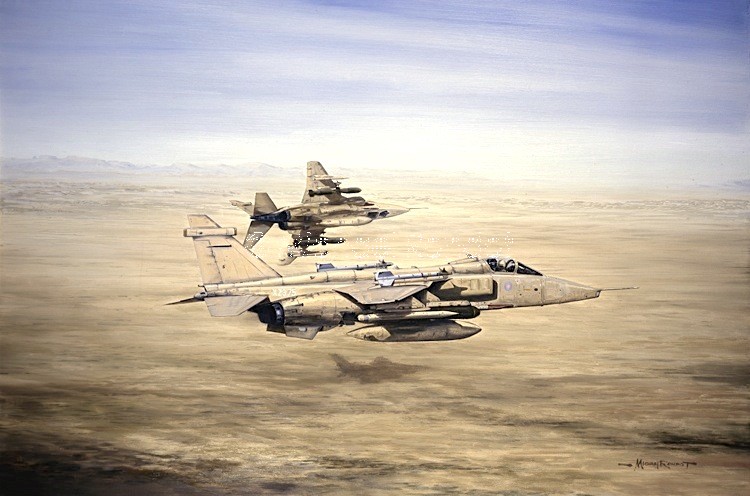
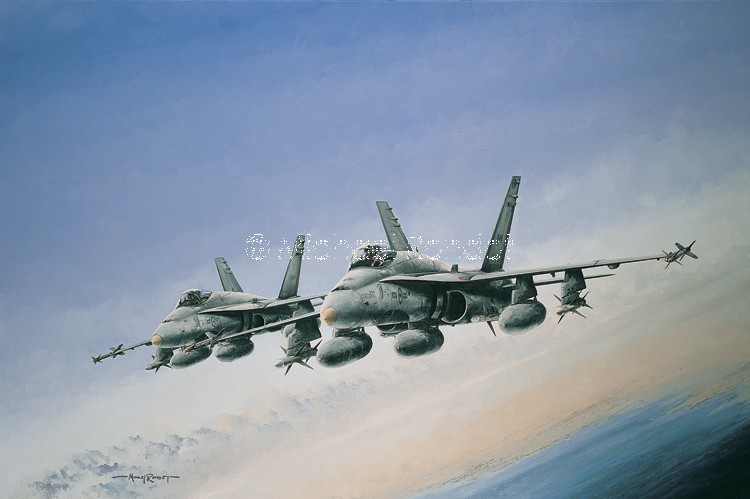
Aerial warfare fully entered the precision age during the Gulf Wars (1990–2003). Coalition forces used aircraft like the F-15 Eagle and F/A-18 Hornet to secure instant air superiority, validating the revolutionary shift to precision-guided munitions (PGMs) . Operations in Bosnia and Afghanistan solidified this trend, prioritizing PGMs for close air support and suppressing air defenses. These conflicts elevated airpower beyond traditional dogfighting into a sophisticated, interconnected system for global strike, surveillance, and persistent battlespace control.