Operation Desert Storm: The Precision Air War and Reconnaissance
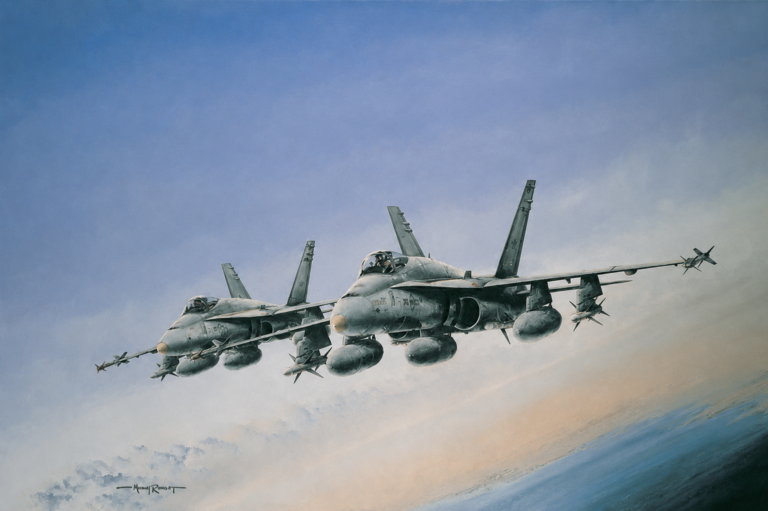
The First Gulf War (1990–1991), specifically Operation Desert Storm or Operation Granby as know by UK forces, revolutionised modern military aviation by ushering in the precision age of warfare. Coalition air forces, spearheaded by advanced fighters like the F-15 Eagle and F/A-18 Hornet, quickly achieved absolute air superiority over the Iraqi Air Force. Crucially, this was the first conflict where precision-guided munitions (PGMs) were deployed en masse, allowing aircraft like the Panavia Tornado to hit critical targets with unprecedented accuracy while minimizing collateral damage.
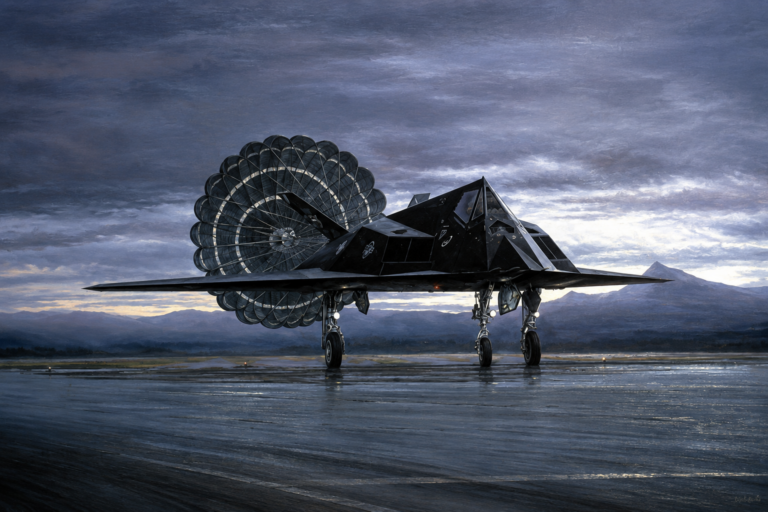
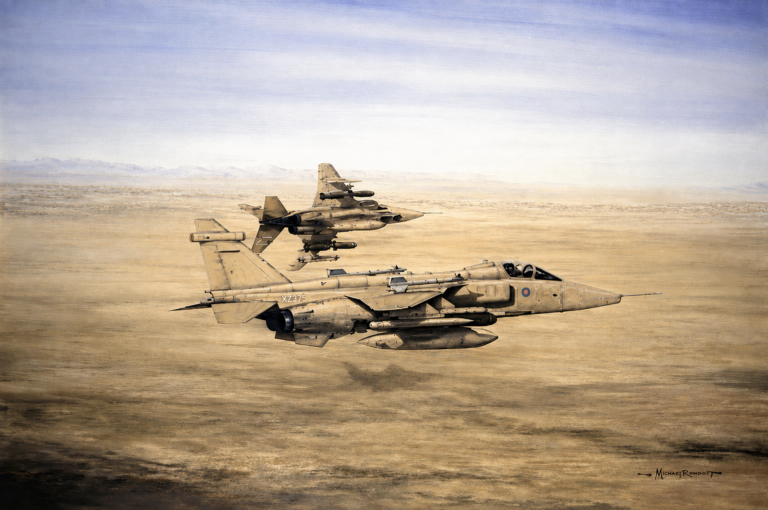
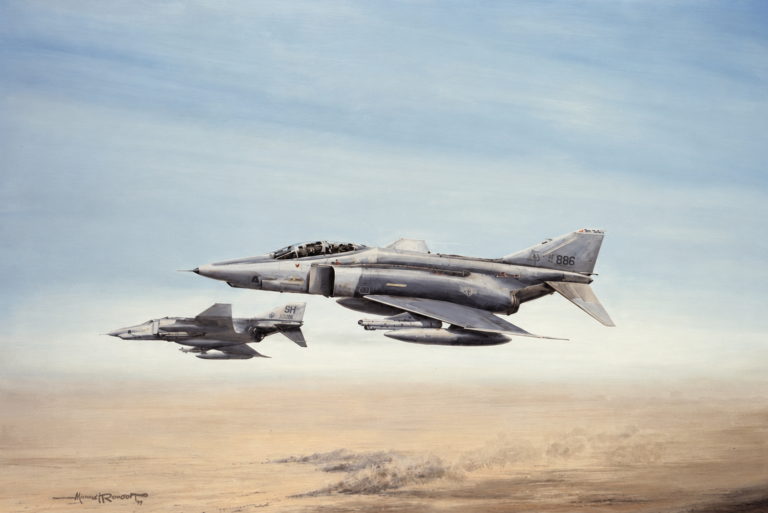
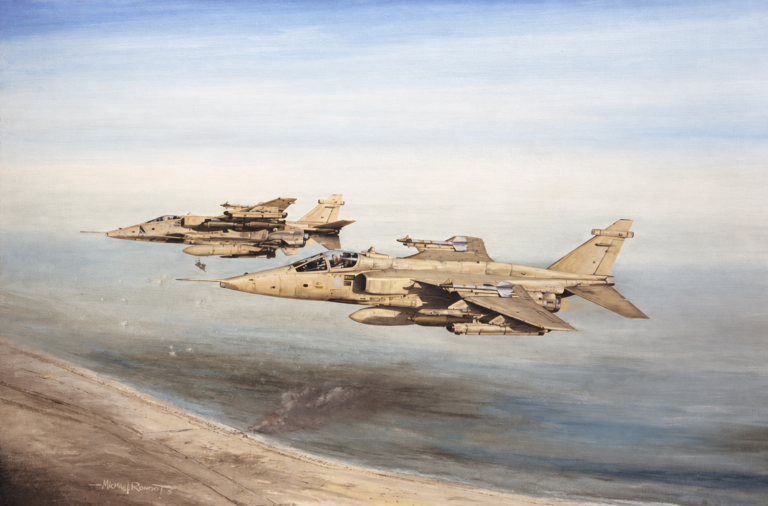
Essential to this success were vital reconnaissance assets: the dedicated, unarmed RF-4C Phantom II provided critical Battle Damage Assessment (BDA), while the French and British SEPECAT Jaguar strike jets also performed tactical reconnaissance using external pods. The widespread success of PGMs, electronic warfare, and stealth technology, supported by tireless reconnaissance, demonstrated that airpower could decisively defeat a large, conventional army, permanently establishing air superiority and smart weapons as the cornerstones of global military strategy.