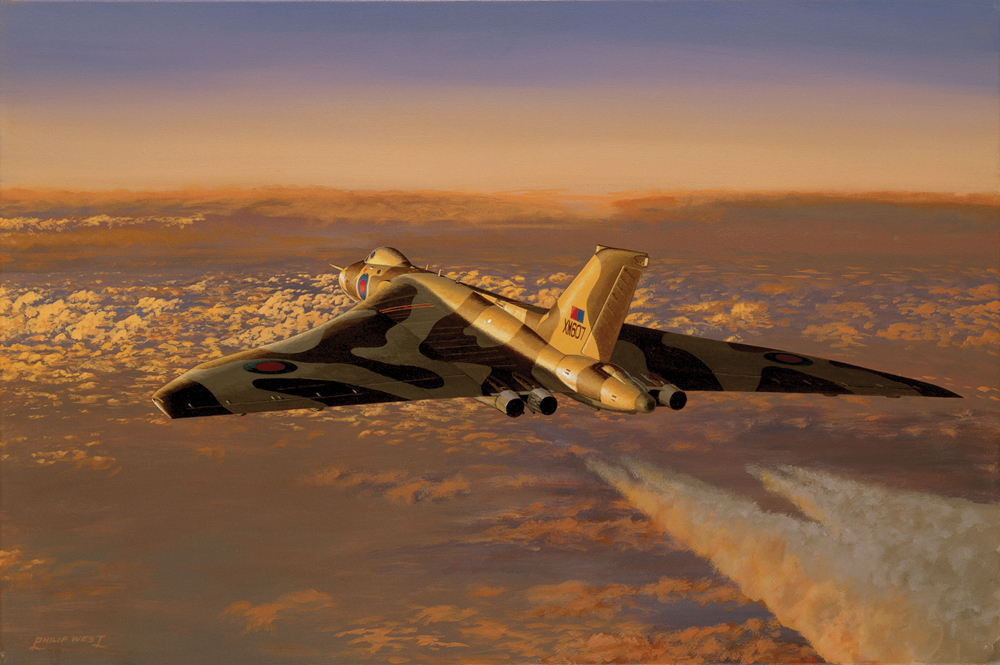
Our Conflict Series is designed to draw attention to events since the end of World War Two. The Gulf War Air War started on the 17th January 1991 and ended on the 23rd February 1991.
Operation Desert Storm or Operation Granby as known by UK forces, revolutionised modern military aviation by ushering in the precision age of warfare. Coalition air forces, spearheaded by advanced fighters such as the F/A-18 Hornet, quickly achieved absolute air superiority over the Iraqi Air Force.
Crucially, this was the first conflict where precision-guided munitions (PGMs) were deployed en masse, allowing aircraft like the Panavia Tornado to hit critical targets with unprecedented accuracy while minimizing collateral damage.
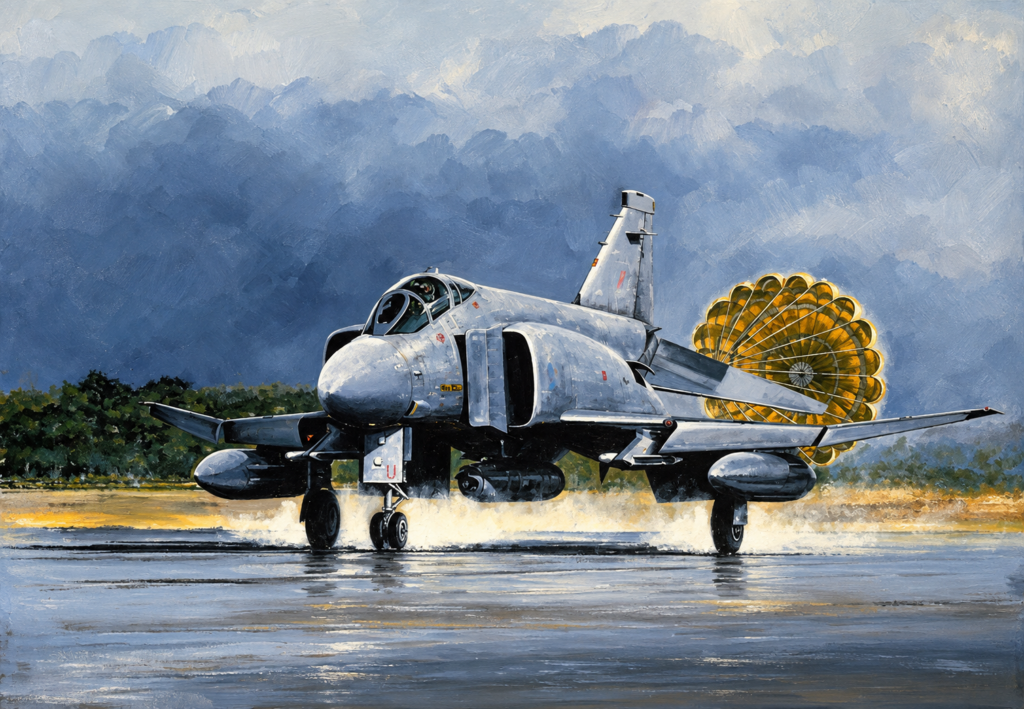
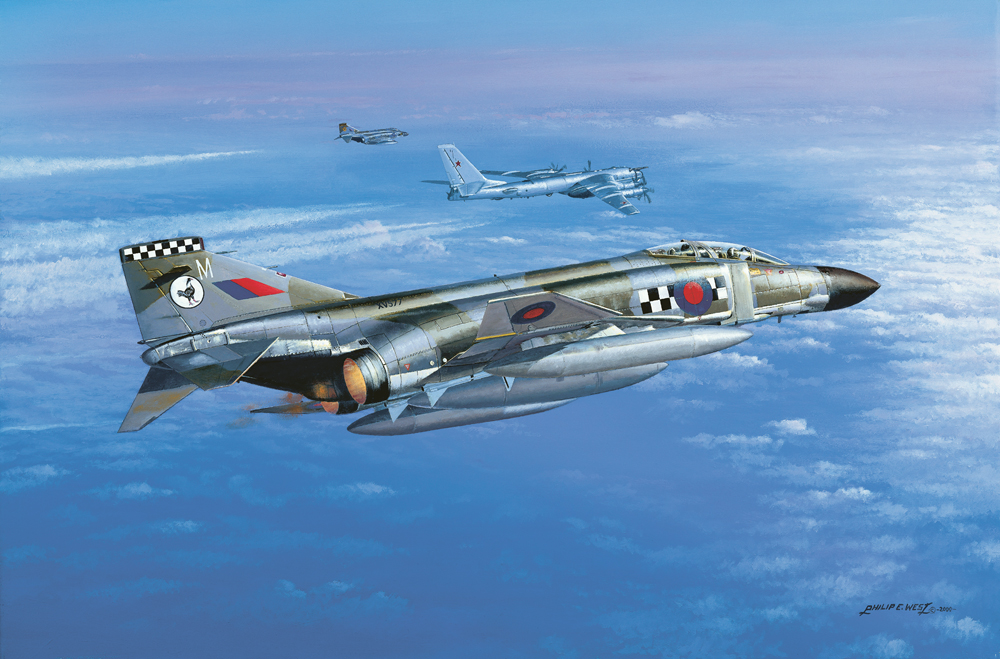
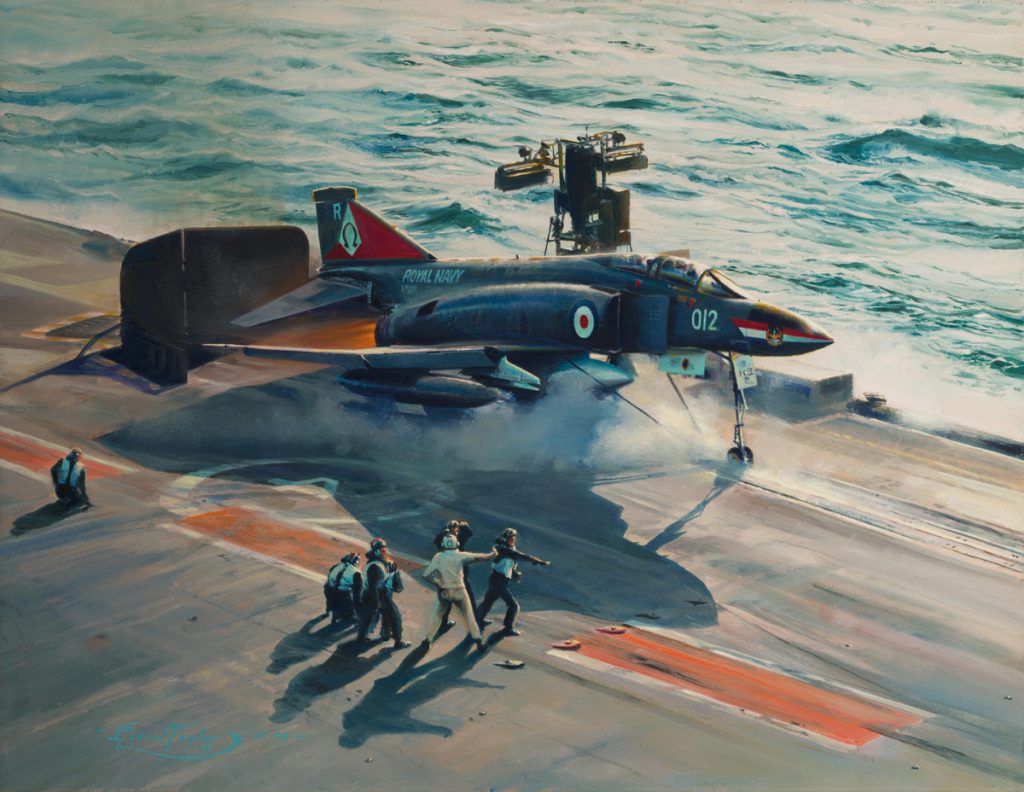
The McDonnell Douglas F-4 Phantom II is one of the most versatile and iconic supersonic aircraft of the 20th century. Originally developed for the US Navy as a carrier-based interceptor, it evolved into a formidable multi-role fighter-bomber used extensively by the USAF and Marine Corps, as well as dozens of international allies.
The Phantom is instantly recognizable by its distinctive silhouette, featuring upward-canted (polyhedral) wings and a downward-sloping (anhedral) tailplane. Powered by two massive engines, it was a “brute force” machine capable of reaching speeds over Mach 2.2 while carrying a massive payload of air-to-air missiles and bombs. Its legendary service spanned decades, from the high-stakes dogfights of the Vietnam War to its specialized “Wild Weasel” roles in the Gulf War, cementing its reputation as a rugged, high-performance platform that defined an entire era of military aviation.
These are RF-4C Phantom II’s from the 152nd Tactical Reconnaissance Group, 192TRS, Reno ANG who flew the RF-4 Phantom in combat during The Gulf War/Desert Storm from their base at Sheikh Isa AB, Bahrain.
Brigadier General Robin Olds was a legendary American fighter pilot and “triple ace” whose career spanned from World War II to the Vietnam War.
He is perhaps most famous for his leadership of the 8th Tactical Fighter Wing, known as the “Wolfpack,” during the Vietnam War. In 1967, he planned and led Operation Bolo, a brilliant tactical ruse where F-4 Phantoms mimicked the flight patterns of vulnerable F-105 bombers to lure North Vietnamese MiG-21s into a lopsided air battle. Beyond his tactical genius, Olds was a larger-than-life figure known for his “non-regulation” handlebar mustache a symbol of defiance that boosted his men’s morale and inspired the Air Force tradition of “Mustache March.”
A former West Point All-American football player, he concluded his storied 30-year career as the Commandant of Cadets at the United States Air Force Academy, leaving a lasting legacy as a “maverick” leader who always led from the front.