Aviation Icons and Pioneers of the British Jet Age
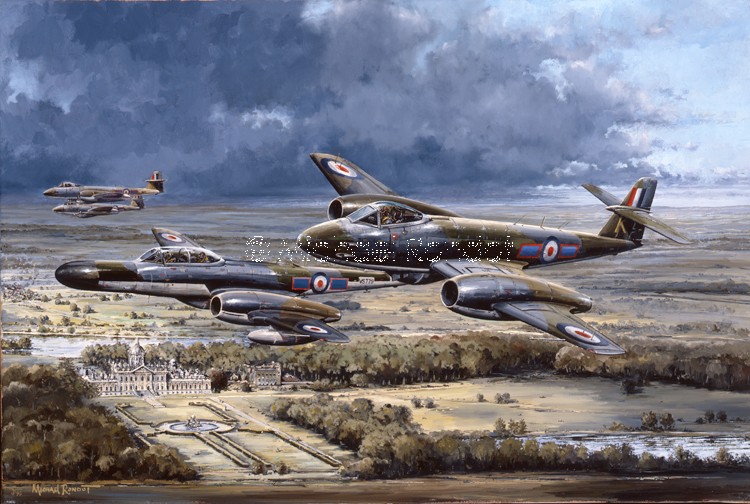
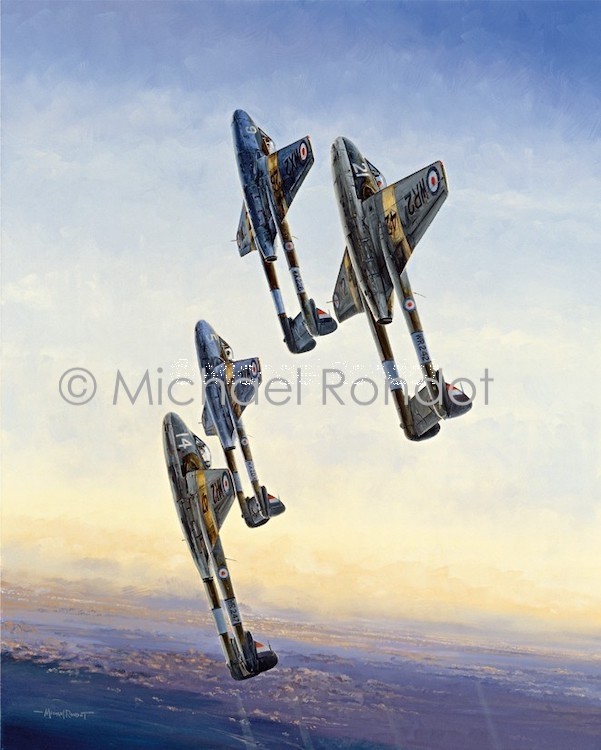
The era of classic RAF jets defined Britain’s dramatic transition from propeller power to jet propulsion during the Cold War. This iconic lineage began with the Gloster Meteor, the RAF’s first operational jet fighter, and the versatile, twin-boom de Havilland Vampire.
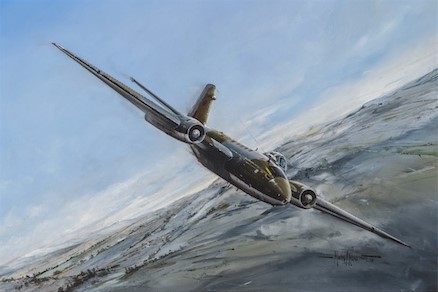
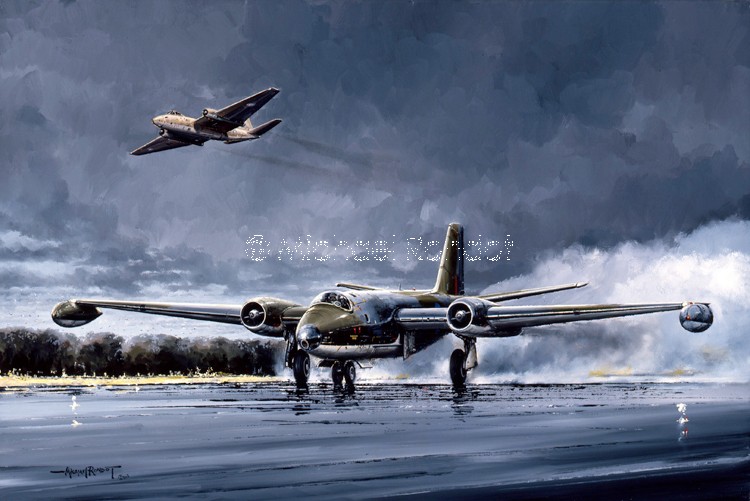
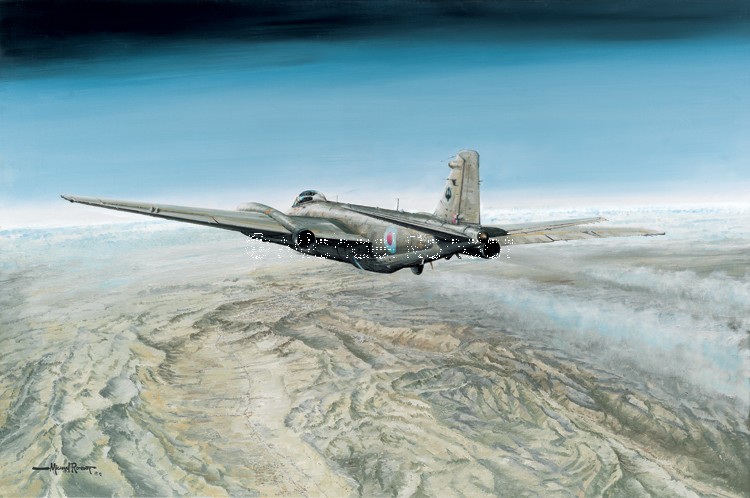
As technology advanced, the influential English Electric Canberra bomber entered service, proving to be a long-serving, record-setting platform for tactical bombing and high-altitude reconnaissance.
Classic Cold War RAF Jet Prints and Interceptors
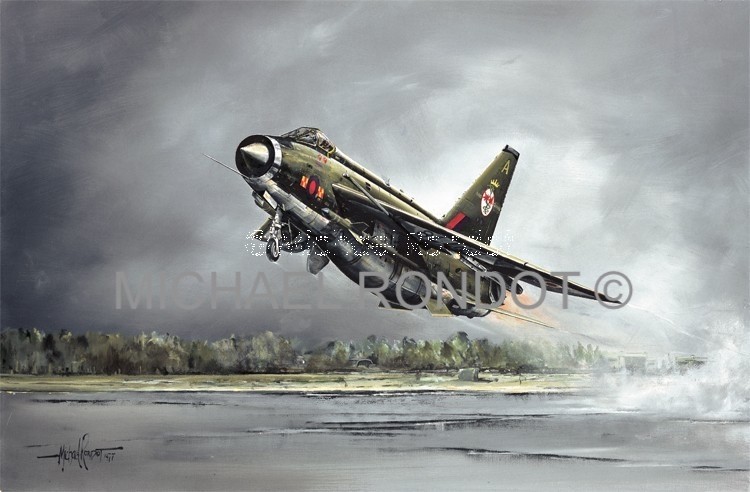
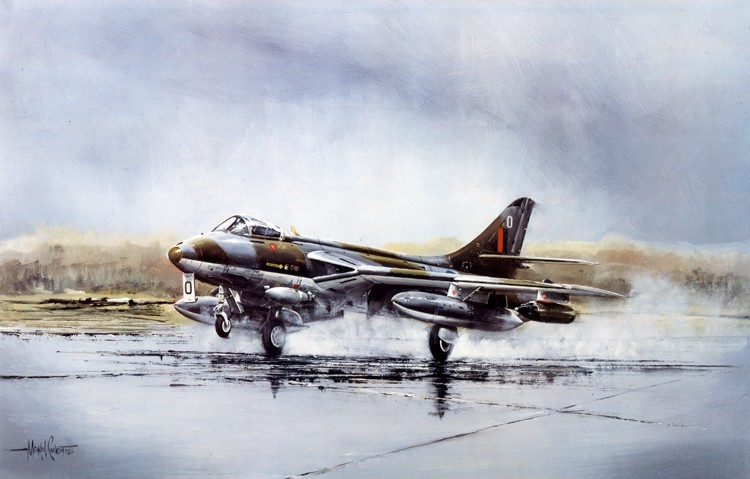
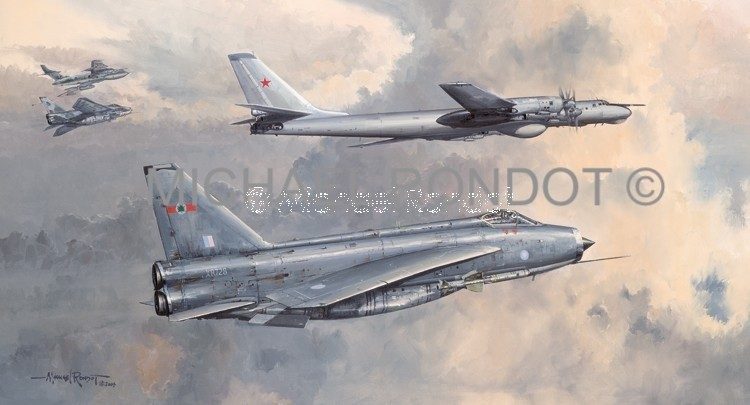
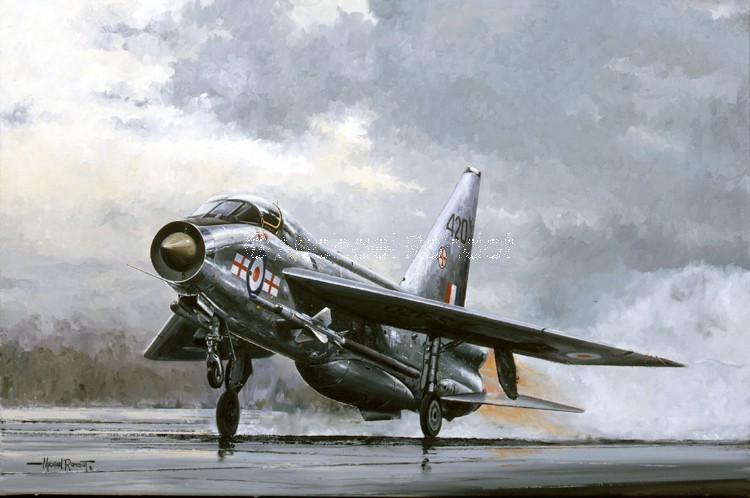
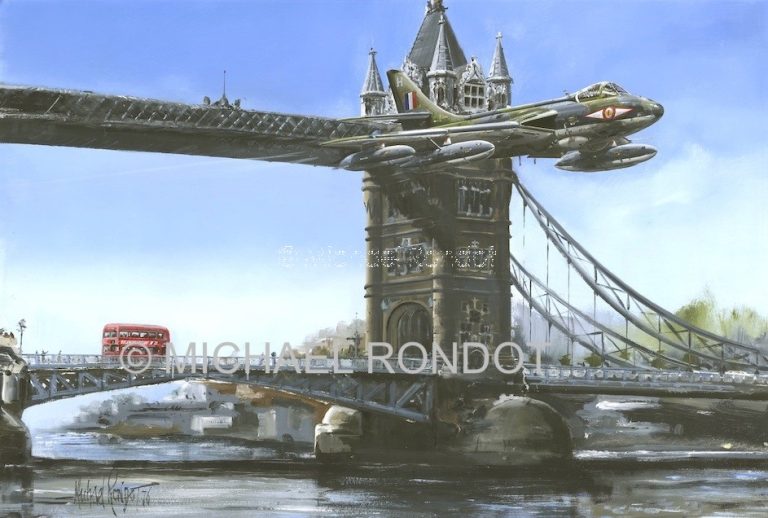
Progression continued with the highly successful Hawker Hunter fighter and the radical Mach 2 interceptor, the English Electric Lightning, famous for its unmatched climb rate. Heavy, low-level strike capability was later provided by the robust Blackburn Buccaneer, which brilliantly transferred from the Royal Navy to the RAF.
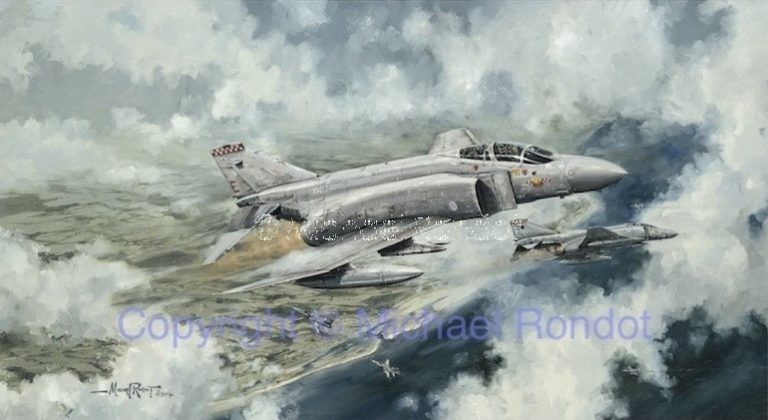
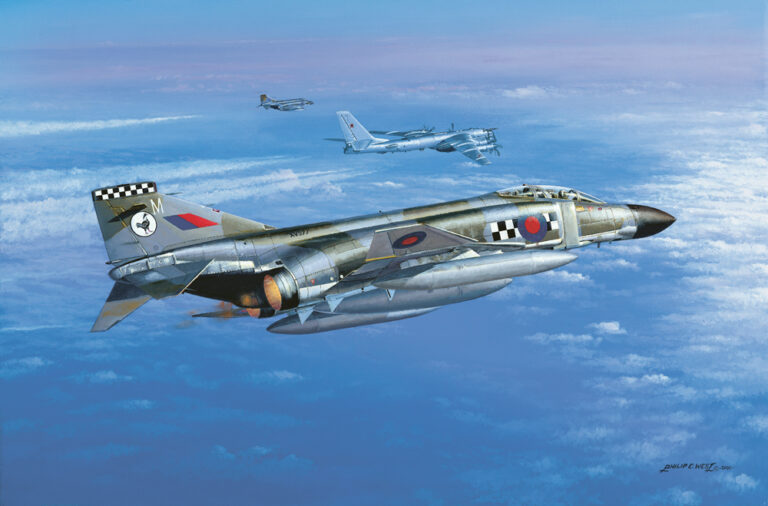
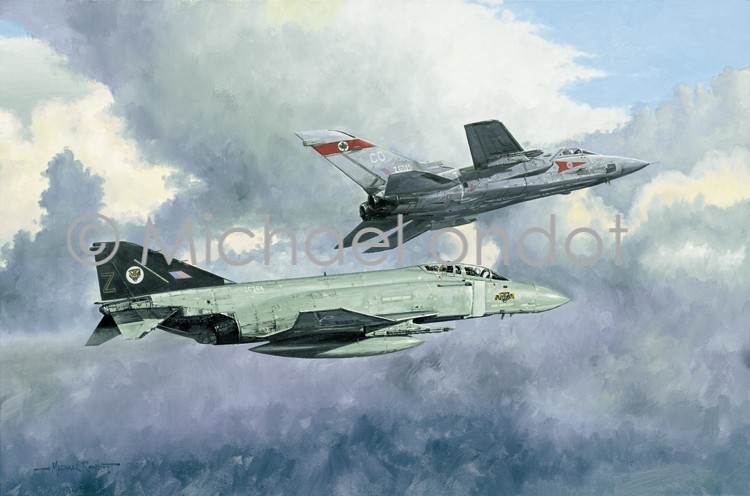
This generation of legendary British aircraft culminated in the powerful, all-weather McDonnell Douglas Phantom FGR.2 fighter.
The BAC TSR-2 and Cancelled Aviation Legends
Conceptually, the most advanced jet of this period was the supersonic BAC TSR-2—a highly capable, but ultimately cancelled, strike aircraft that remains a massive point of fascination for aviation history enthusiasts.
This sequence of legendary aircraft collectively established the RAF’s frontline capability and cemented Britain’s position as a global leader in jet technology through the crucial decades of the Cold War.