Supporting Ground Forces in Afghanistan
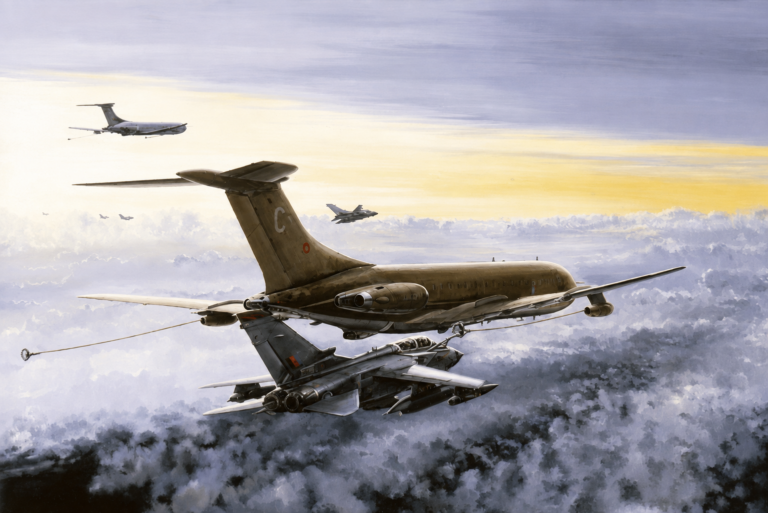
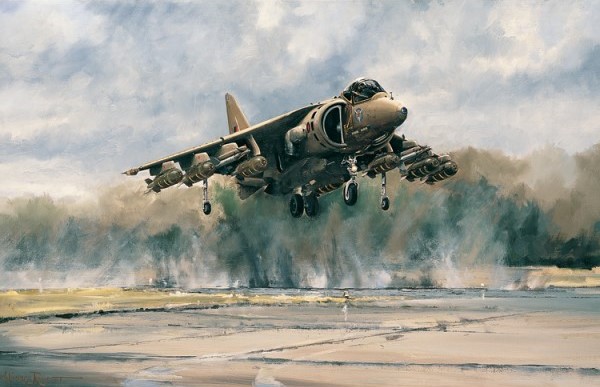
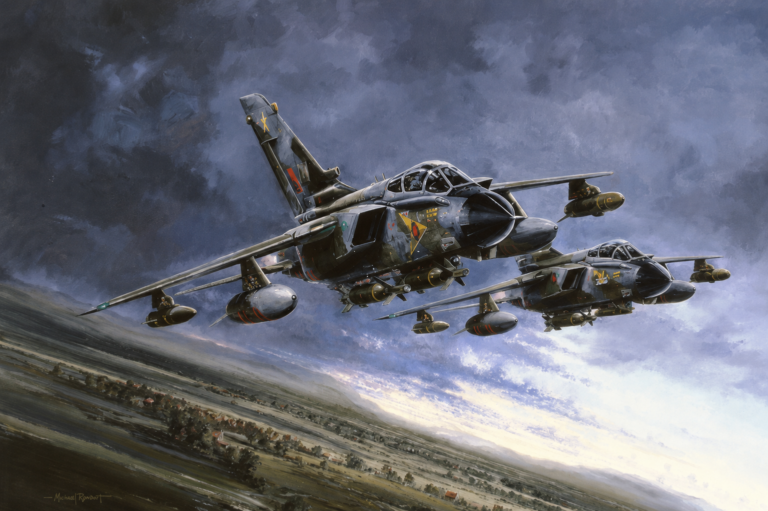
The RAF’s air involvement in the Afghanistan conflict, primarily under Operation Herrick (2002–2014), was defined by a critical pivot from air-to-ground combat to vital Close Air Support (CAS) and unparalleled battlefield mobility. Fast jet platforms, initially the Harrier GR9 (until 2009) and subsequently the Tornado GR4 , delivered precision-guided munitions and high-readiness reconnaissance, flying over 56,000 hours in total.
However, the true lifeline for British and Coalition ground troops in Helmand Province was the rotary-wing fleet. RAF Chinook and Merlin heavy-lift helicopters (supported by the Army’s Lynx and Navy’s Sea King) provided essential troop and materiel resupply across challenging “hot-and-high” terrain. Crucially, the Chinook’s capability was central to the development of the Medical Emergency Response Team (MERT), dramatically improving the survival rate for wounded personnel through rapid casualty evacuation, solidifying its legacy as the theatre’s most indispensable aviation asset.