The Long-Range Fighter That Turned The Tide
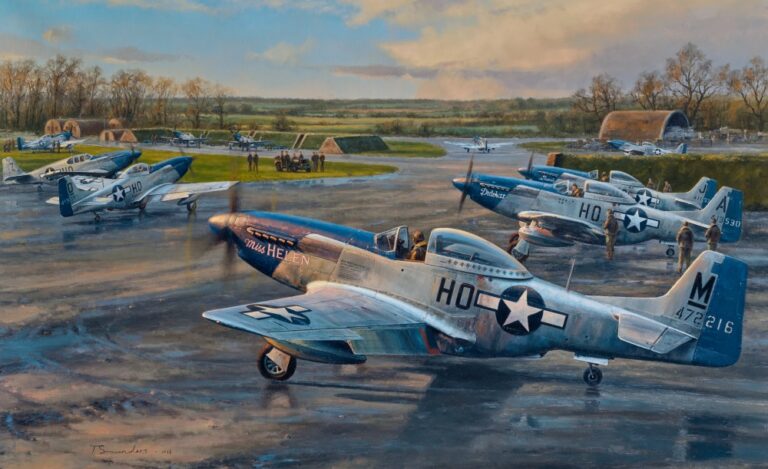
The legendary P-51 Mustang originated from a British request in 1940 for North American Aviation to build a new fighter quickly, resulting in a sleek airframe that first flew just 149 days after contract signing. While initially limited by its Allison engine’s high-altitude performance, the aircraft was radically transformed by the British-led decision to install the two-stage, supercharged Rolls-Royce Merlin engine.
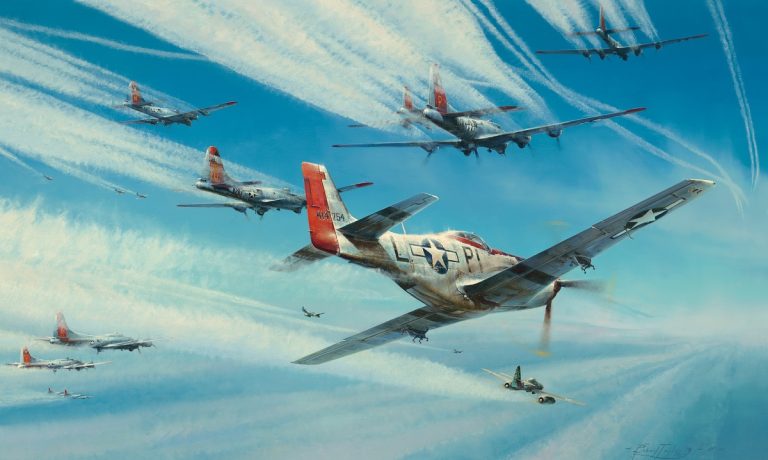
This ingenious pairing gave the Mustang the speed, agility, and, crucially, the exceptional long-range needed to turn the tide of the air war over Europe. Its career highlight was serving as the primary long-range escort fighter for Allied heavy bombers, flying all the way to targets deep within Germany and back, a capability that dramatically reduced bomber losses and crippled the Luftwaffe, ultimately securing Allied air superiority in World War II.